


The SmartStash Podcast

Our experts talk about the parallels between manual and digital tidying and why SmartStash is "superior".

Of digital Konmari, "too much or too little", topics close to the heart and cluttered desktops

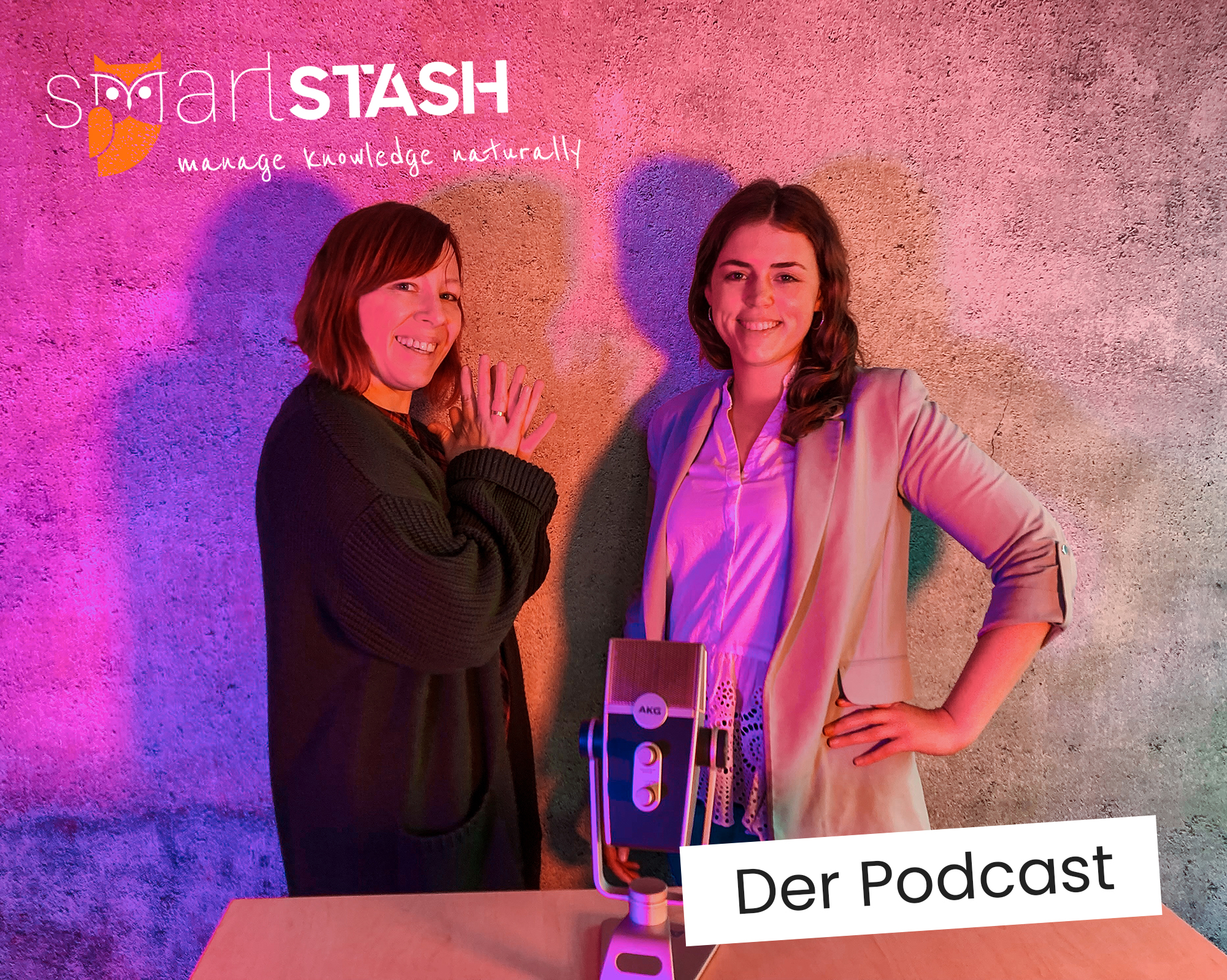
In this episode, everything revolves around the Teams App from SmartStash. As a special guest, Nicole reports on her experiences with the app - personally and in a customer context -, reveals her favourite feature and gives useful tips on using the knowledge management tool for SharePoint Online.

Saskia reveals her annual resolution for 2022, why she wants to tidy up so much and what this topic of the heart actually has to do with the magic of tidying up by Marie Kondo, closed cupboard doors and knowledge management.

The inspiration for the digital Konmari method

The one junk drawer, the disorganized toolbox or the cellar of doom: we all have them, these messy rooms. The ones where you always think "I should tidy up here, then I could find this and that better". But your inner bastard always finds an excuse not to do it and continues to get annoyed about the wasted time you spend searching.

These "spaces" also exist digitally. The classics: a cluttered desktop, endlessly nested file folders or no folder structures at all. If you then spend more time searching than working, it's really frustrating.

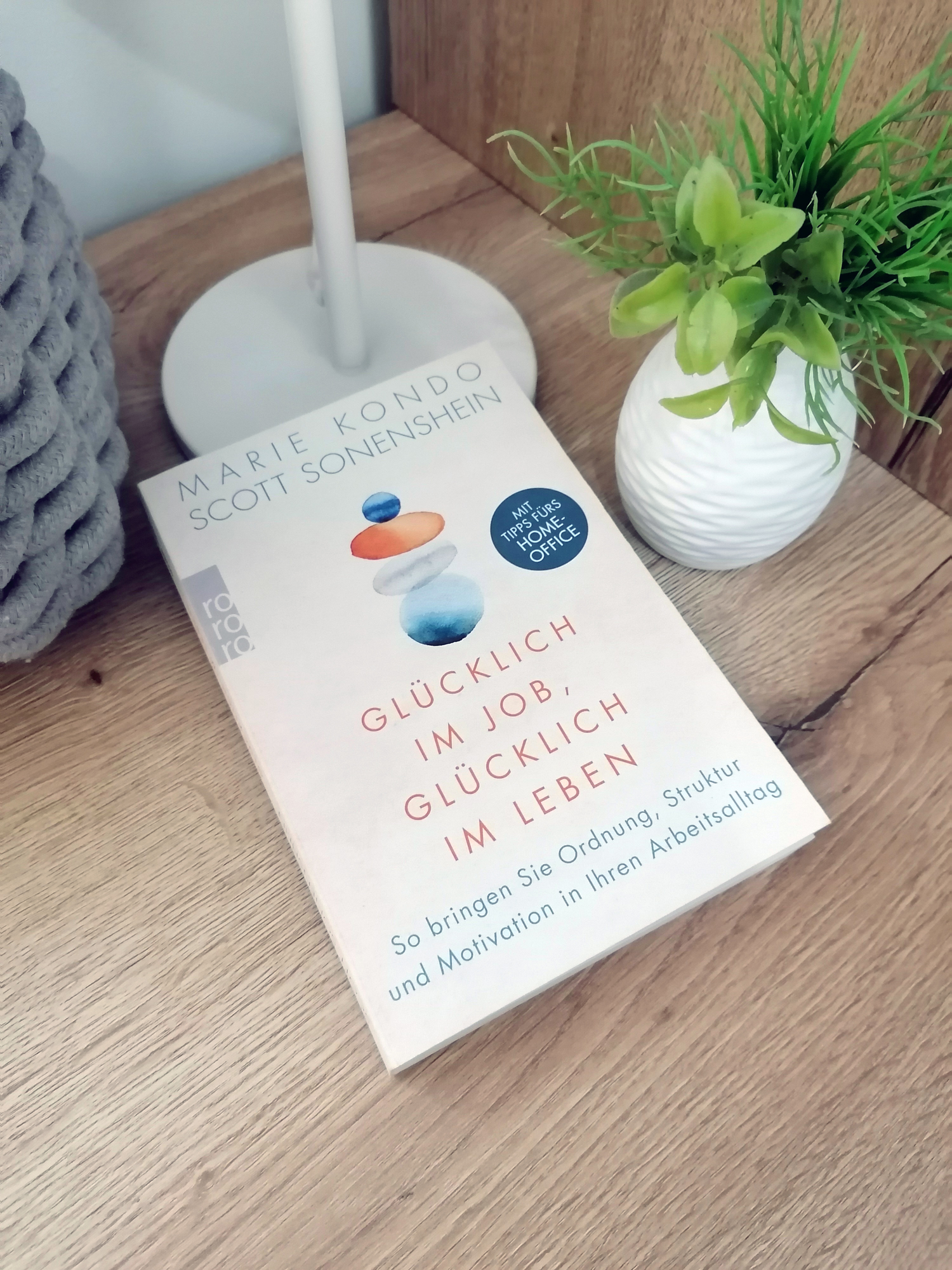
Saskia's passion for order in physical and digital form gave her the idea to apply the Konmari method to knowledge management. The book by Marie Kondo and Scott Sonnenshein, which deals with order, structure and more motivation in everyday work, served as a source.

In the podcast, she takes a closer look at the "topic of tidiness at home" compared to "digital tidiness" and reports that even in her home there is sometimes a bit of chaos behind closed cupboard doors.


What actually is Konmari?

If you've never heard of the term or the Japanese 'tidying expert' Marie Kondo, here's a brief explanation of what it's all about. The Konmari method deals with categorical tidying. This means that you don't go room by room, but that you collect things from the same category - such as clothes, household textiles and tools - from all rooms and only then sort them out. The advantages are that you can see what you really have, that you only have to tackle and sort the category once and that you only have to put it away in one place at the end !

That way, you don't have to look for the same thing in different places afterwards.

In the process of sorting out, it is also important to ask oneself whether the object sparks joy. If it does not, it is time to let go and be grateful. Gratitude plays a central role in Konmari because it helps us to let go in the first place.

This method - as mentioned in the podcast - can also be wonderfully applied in our everyday digital work.

More recent contributions

SUMMARY Here are the most important criteria to help you structure SmartStash correctly from the start—at a glance. First of all… what content are you organizing? The intended use of your SmartStash environment has a major impact on how you should plan its structure. Related content should always be organized into a single stash
Read post

What You Need to Know About Permissions and “Managed Audiences” in SmartStash You probably already know that one Stash per department, per location, or based on other organizational structures may be necessary. For example, different management areas: quality management, environmental management, or risk management. Access to each individual Stash is granted through permissions assigned to groups or individuals
Read post

Why use read receipts? Even if I don't have to adhere to any compliance guidelines in my company, a read receipt or a request can be very useful. Basically, knowledge management is about making information easily accessible to everyone and sharing it with each other. It would be very cumbersome if I, as the author of a -
Read post